

Fertility at work
Research clearly shows that fertility struggles are a challenge for both individuals and organisations. Recent surveys of patients undergoing fertility treatment showed that:
- 2% did not feel that the topic of infertility was recognised in their workplace
- 1% did not feel comfortable talking to their employer about trying for a baby
- 93% of women felt that their career had been impacted by fertility treatment
- 90% experience anxiety or depression during fertility treatment
- 36% considered leaving their jobs
- 5% took time off sick during treatment (anecdotally due to trying to hide the fact that they were going through treatment).
https://fertilitynetworkuk.org/ https://fertilitymattersatwork.com
This can also present a challenge for employers and managers, both operationally and financially.
Going through fertility treatment while working can be physically, emotionally and financially demanding. Balancing medical appointments, hormone treatments and the emotional toll with professional responsibilities can be extremely challenging and requires careful planning. Fertility is often considered a female issue, however fertility issues can also significantly effect men in the workplace, though it is often less visible or discussed. Men may need time off for:
- Diagnostic tests
- Providing semen samples
- Attending appointments or procedures with their partners
Most workplaces are not set up to recognise or accommodate men’s roles in fertility treatment, which can lead to feeling excluded or unsupported.
If you are struggling with fertility issues in your workplace you are not alone.
One in six of us worldwide are currently experiencing fertility issues, and all of those affected are of working age.
‘Family building options’ refer to the various paths individuals or couples can take to have or raise children. These options may be pursued for a variety of reasons including infertility, same-sex partnerships, single parenthood by choice, or underlying medical conditions. Main options for assisted conception include : IVF, donor sperm, donor eggs, donor embryos, surrogacy, fertility preservation and adoption. Fertility journeys can be physically, emotionally& financially challenging for individuals and their families. Employers can play a meaningful role in supporting employees undergoing fertility treatments. Thoughtful and proper workplace policies can make a significant difference in employee well-being and retention.
For Employees with fertility issues :
There are several steps that you can take to make the experience less stressful:
- understand your rights and benefits:
Review your employee handbook or HR portal for policies on :
- Fertility or medical appointment leave
- Health insurance coverage
- Flexible working options
Ask HR, in confidence, about available fertility benefits or programs
- Plan for time off and appointments
When you receive your treatment program plan, as far as possible, for time off and appointments. You may feel more comfortable taking a block of time off to concentrate on treatment or you may feel that it is better for you to continue working and keep your schedule as normal as possible.
Try to do what works best for you and be prepared. Fertility treatments often require:
- Frequent morning appointments for ultrasound scan and blood tests. These appointments are usually short and should be manageable within the working day with good planning and flexible working
- Short notice appointment for egg collection. You will have an idea of when your egg collection should occur (within a few days) but exact date will not be confirmed until your treatment program is underway.
- Additional time off for unexpected/negative outcomes.
Have a backup plan: If you manage critical tasks, find a colleague who can temporarily step in if necessary. This will help avoid added work-related stress at a time when you need to focus on your treatment.
3. Prioritize self-care
Protect your mental Health. Fertility treatment can be emotionally challenging. Most clinics offer a counselling service or you may prefer talk to a therapist or join a support group.
Practice stress reduction and be kind to yourself. Do whatever helps you relax but avoid strenuous activity during treatment.
Light exercise, meditation, or simply taking breaks in the fresh air can all help.
Do not feel guilty for giving your self time and space.
How can I help ?
I can help you to understand what to expect during your fertility journey and how to cope with the stress. I can also discuss the best way to approach your line manager. Even if your employer does not have an official policy, they might find ways to support you through your treatment, for example flexible working, working from home.
There may be an opportunity to encourage openness and raise awareness around fertility treatments within your workplace, which would be beneficial to you and your organisation.
Why not book a free of charge 30minute consultation so that we can discuss your situation and how I might help you to best manage it at work.
How can I help? For Employers and Managers
I can help employers and managers gain a better appreciation of what infertility and fertility treatment entails for employees and their families, as well as how it may impact on their work colleagues. I can also help companies to provide much needed understanding and support.
Employers can support fertility patients by offering a variety of measures, starting with the creation of a supportive culture and a fertility friendly workplace. This includes fostering open communication, raising awareness about fertility issues, and providing education on related topics. Additional support may include flexible work arrangements, paid time off for appointments and ongoing mental health support.
I can help you develop a bespoke fertility policy and employee friendly information to clearly explain the help available. A fertility friendly workplace has been shown to be beneficial for employers as well as for employees.
Services offered
Lunch and Learn session
This informal session helps to raise the general awareness of infertility. The introduction allows individuals to support colleagues , friends and family who may be facing difficulties trying to conceive. The session/sessions can be tailored to your individual company needs.
Fertility policy consultation
I can support your team to introduce or review an existing policy to make sure that your company is best able to support your employees with minimum impact to their colleagues and to the business.
Ongoing Support
Ongoing support can be offered on an individual basis or as group sessions to suit the needs of your organisation.
What do I do next?
To take your first steps towards understanding how you can introduce fertility fairness in your workplace book a free 30 minute consultation with Jenny Dobbs.

Written by jennydobbsfertility
More From Jenny Dobbs Fertility

What to think about when you are choosing a fertility clinic
There are many factors to consider if you are choosing a fertility clinic, read our top 8 tips, including eligibility, treatment costs and success rates.

When should I consider fertility testing?
The right time to consider fertility testing ultimately depends on your individual circumstances and where you are in your family planning...
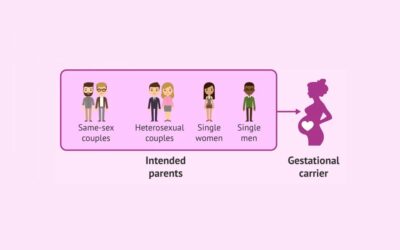
Understanding Surrogacy
The use of surrogacy, with or without the help of IVF is increasingly popular for the creation of modern families. For same sex male couples or...

Shared Motherhood – What is it and how does it work?
Shared Motherhood, also known as Reciprocal IVF or co-maternity is a popular fertility treatment option for lesbian couples. This relatively new and...
0 Comments